Vitamins and Food Sources
An educational overview of vitamins, minerals, and their presence in everyday foods.
This resource provides general information about nutrients found in common foods. Educational content only. No medical services. No promises of outcomes.
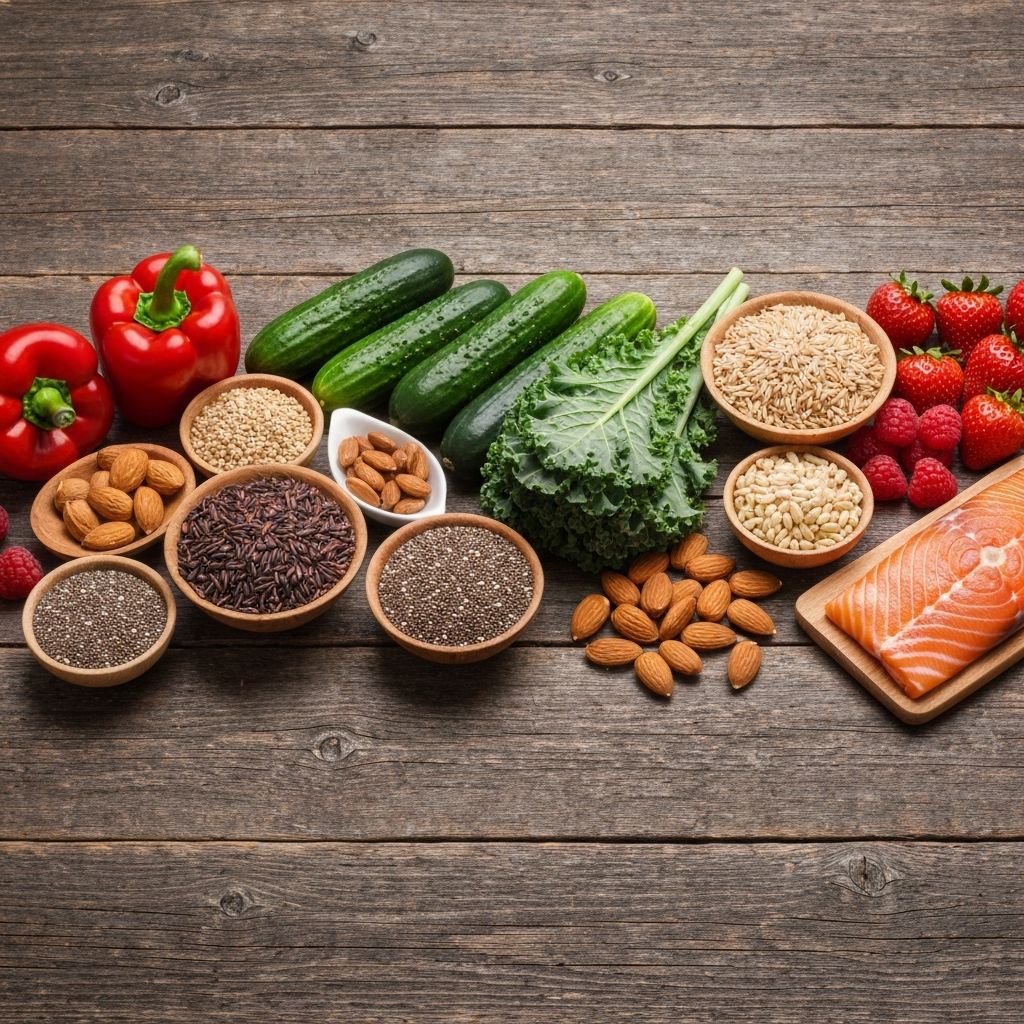
Vitamins in Focus
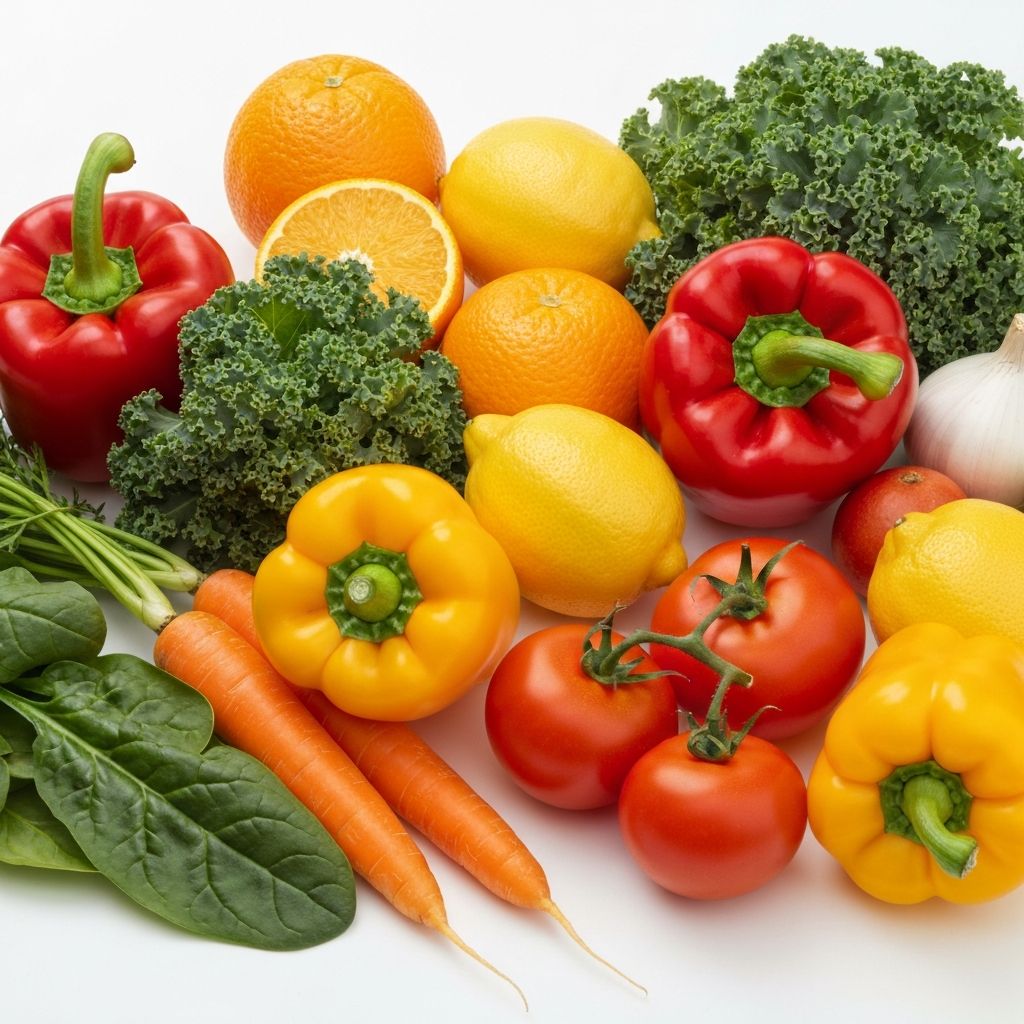
Vitamins are organic compounds that exist in various foods. They play different roles in the body's daily functioning. This section explains what vitamins are from a general perspective.
Common vitamins include Vitamin A, B-complex vitamins, Vitamin C, Vitamin D, Vitamin E, and Vitamin K. Each exists naturally in different food groups.
Understanding which foods contain which vitamins can help contextualize everyday eating patterns. This is purely informational knowledge.
Common Food Sources
Many everyday foods contain vitamins and minerals. Below are examples of food categories often associated with various nutrients.

Seafood
Fish like salmon, mackerel, and sardines are known to contain omega-3 fatty acids, vitamin D, and B vitamins. Shellfish may contain zinc and selenium.
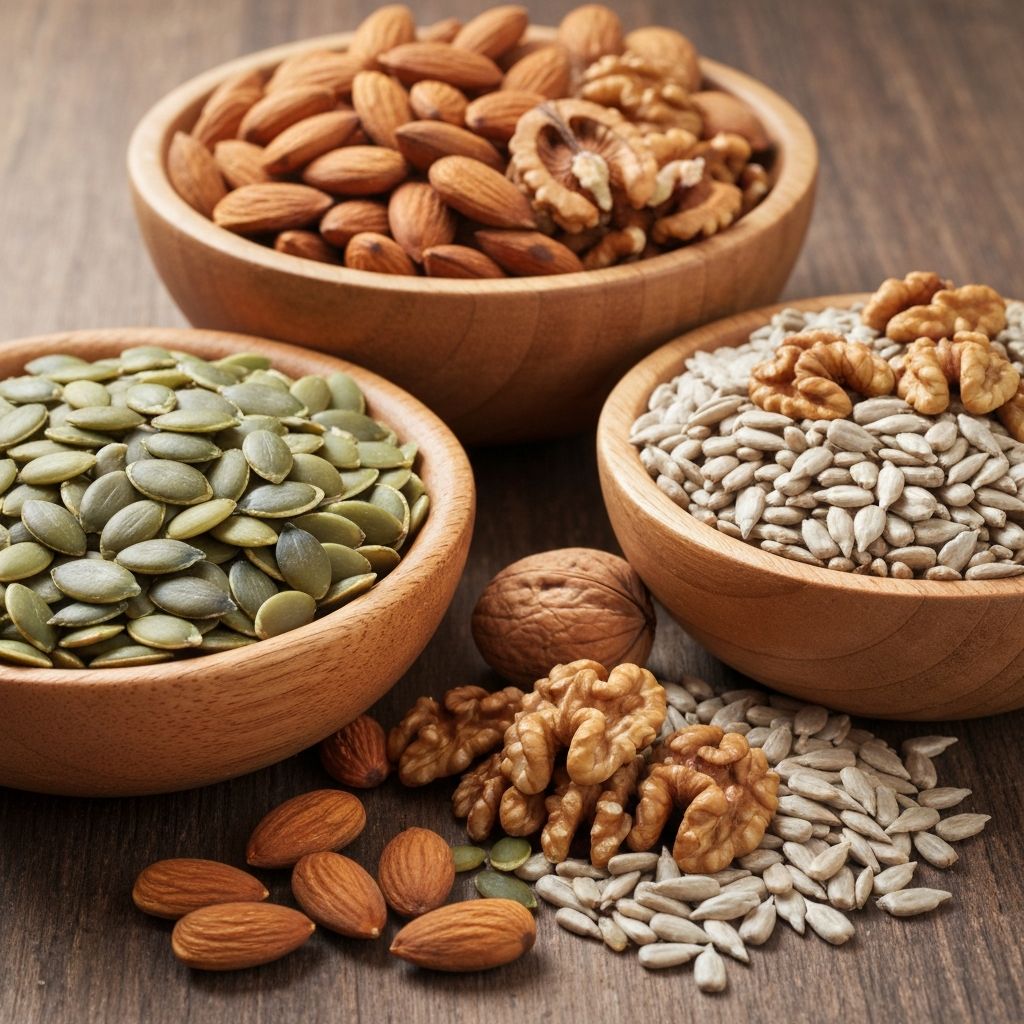
Nuts and Seeds
Almonds, walnuts, pumpkin seeds, and sunflower seeds often contain vitamin E, magnesium, and zinc. These are common in many diets.
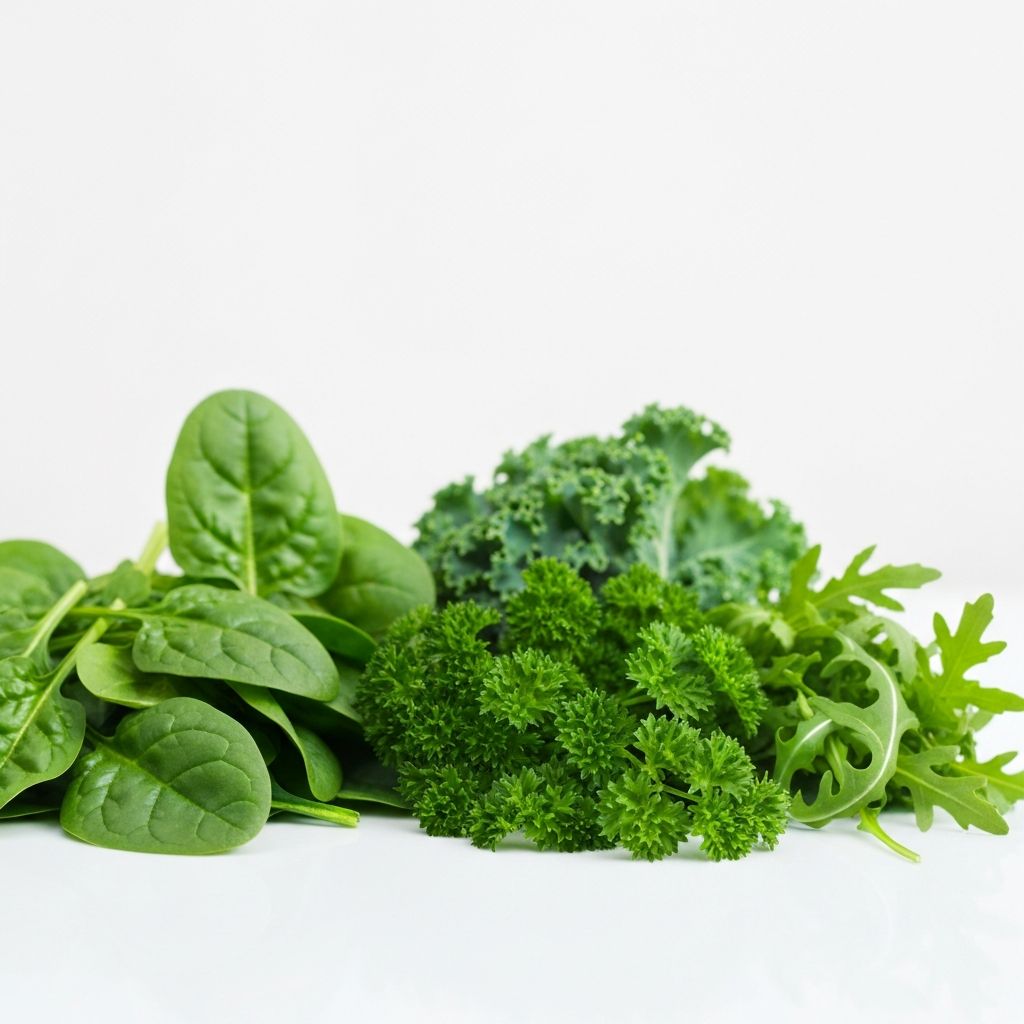
Leafy Greens
Spinach, kale, and other greens typically contain vitamin K, folate, and iron. These vegetables are part of traditional Czech and international cuisines.
General Dietary Role
Vitamins and minerals are part of the nutritional content of food. They contribute to various bodily processes as part of overall nutrition.
A balanced diet typically includes a variety of food groups. This variety naturally provides different nutrients without requiring specific calculations or interventions.
Regional eating patterns, such as those in the Czech Republic, often incorporate seasonal vegetables, grains, and protein sources that contain various vitamins and minerals.

Facts and Misunderstandings

There is often confusion between food-based nutrients and other products. This resource focuses exclusively on nutrients as they exist in whole foods.
Vitamin content in food can vary based on factors like soil quality, storage, and preparation methods. These are observable facts in food science.
No single food contains all vitamins. Dietary diversity is a common principle in nutrition education, applicable to people of all backgrounds.
Everyday Food Choices
Everyday meals in Czech Republic and elsewhere often include combinations of vegetables, grains, proteins, and fats. These naturally provide a range of nutrients.
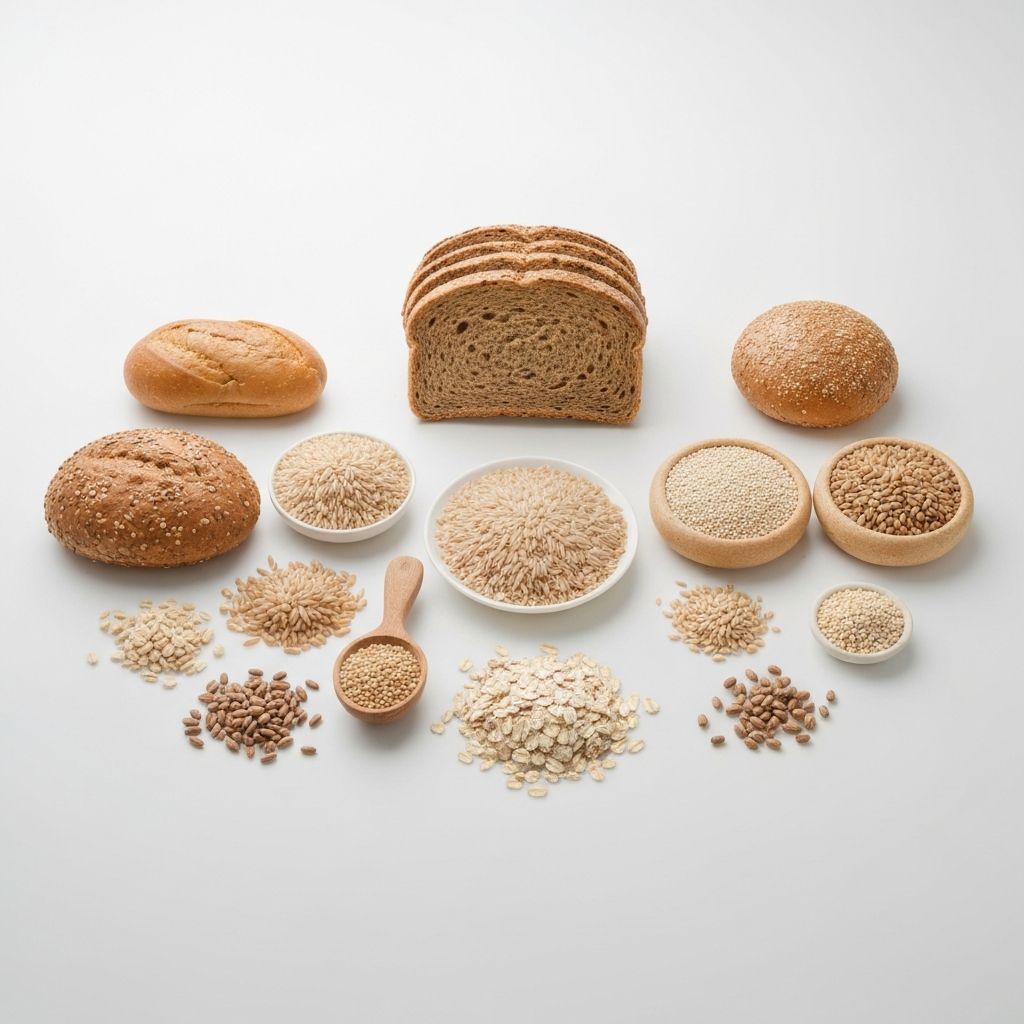
Traditional dishes may include ingredients like whole grain bread, root vegetables, berries, and dairy. Each contributes different nutritional components.
This information is observational and educational. It does not constitute guidance or recommendations for specific individuals.
Scientific Background
Nutritional science studies the chemical composition of foods and their effects on living organisms. Research in this field is ongoing and evolving.
| Nutrient | Example Food Sources | General Function |
|---|---|---|
| Vitamin A | Carrots, sweet potatoes, spinach | Vision, immune function |
| Vitamin C | Citrus fruits, bell peppers, berries | Antioxidant, collagen synthesis |
| Vitamin D | Fatty fish, egg yolks, fortified foods | Calcium absorption, bone health |
| B Vitamins | Whole grains, meat, legumes | Energy metabolism |
| Vitamin E | Nuts, seeds, vegetable oils | Antioxidant protection |
| Zinc | Oysters, pumpkin seeds, chickpeas | Immune support, cell growth |
| Magnesium | Dark chocolate, almonds, spinach | Muscle and nerve function |
| Selenium | Brazil nuts, fish, eggs | Antioxidant enzyme function |
Limitations and Context
This website provides general educational information only. The content describes nutrients and foods in a factual context.
This is not personalized nutrition guidance. Individual nutritional needs vary widely based on many factors including age, activity level, health status, and personal circumstances.
Various approaches to eating exist across different cultures and lifestyles. This resource does not advocate for any specific approach.
For personalized nutrition questions, consult qualified professionals in your area.
Explore More General Information
Continue reading about vitamins and minerals in everyday foods.
View Additional Details